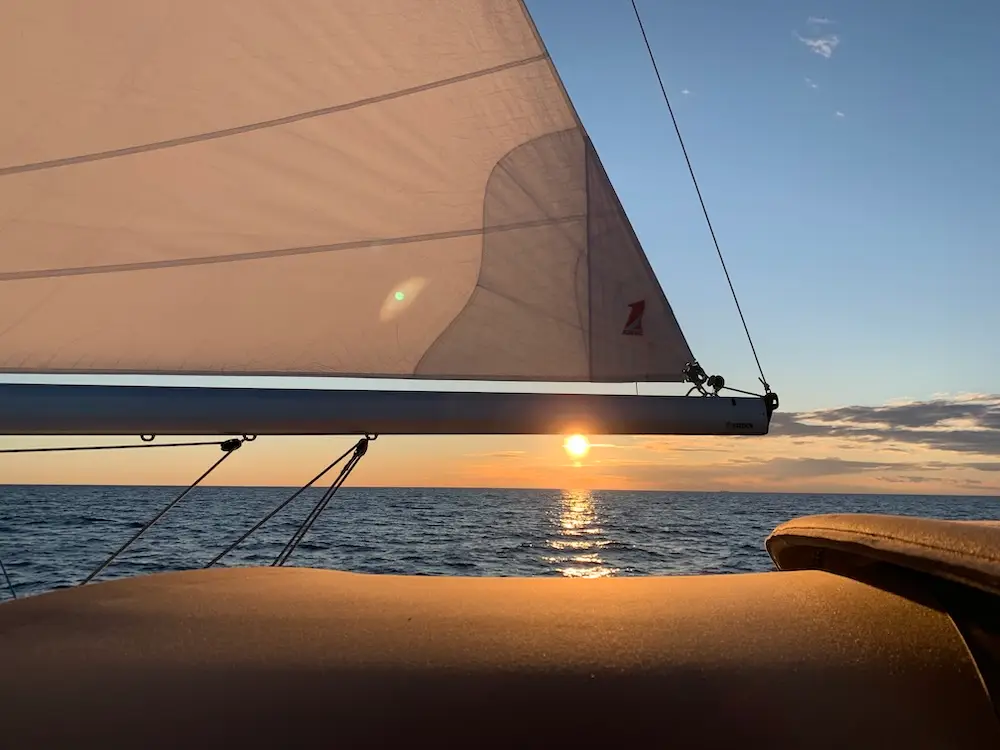
Owning a yacht or a sailing yacht is far more than a simple pleasure; it is a lifestyle, a space of absolute freedom, and often an extension of one’s estate or secondary residence. Yet behind this sense of escape lie complex technical, legal, and financial realities that many owners underestimate. The insurance needs of a sailing yacht and a luxury motor yacht are, in fact, very different — both in terms of coverage and in risk management strategy.
A poorly covered claim can have serious consequences: a collision in foreign territorial waters, a fire on board, marine pollution, or a dispute with a crew member. These are not rare occurrences. How can one properly protect a vessel — and oneself — depending on whether it’s a sailing yacht or a motor yacht? And why does the choice of broker make all the difference?
A sailing yacht is above all a vessel for enthusiasts. Its main propulsion — the wind — makes it highly dependent on weather conditions and on the skipper’s expertise. The risks are therefore linked to manual navigation, changing weather, and sometimes crew fatigue during long crossings.
A motor yacht, on the other hand, is closer to a prestige asset. Its powerful engines enable high speeds and long distances. The main risks stem from the vessel’s high value, sophisticated technology, and the presence of a professional crew. The financial and legal implications are therefore considerably higher.
Contrary to popular belief, some modern or classic sailing yachts can reach — or even exceed — the value of many motor yachts. Exceptional sailing yachts, whether fitted with advanced navigation technology or built as custom designs, go far beyond leisure craft status to become true patrimonial assets.
Motor yachts, meanwhile, often generate higher maintenance costs, especially due to their engines, onboard electronics, and permanent crew. These differences directly influence the structure and scope of their insurance coverage.
Sailing yacht owners often sail for pleasure, sometimes solo or with a small crew, and may take part in regattas. Motor yachts are more commonly used for family cruises, private getaways, or charter operations. These differences bring specific obligations:
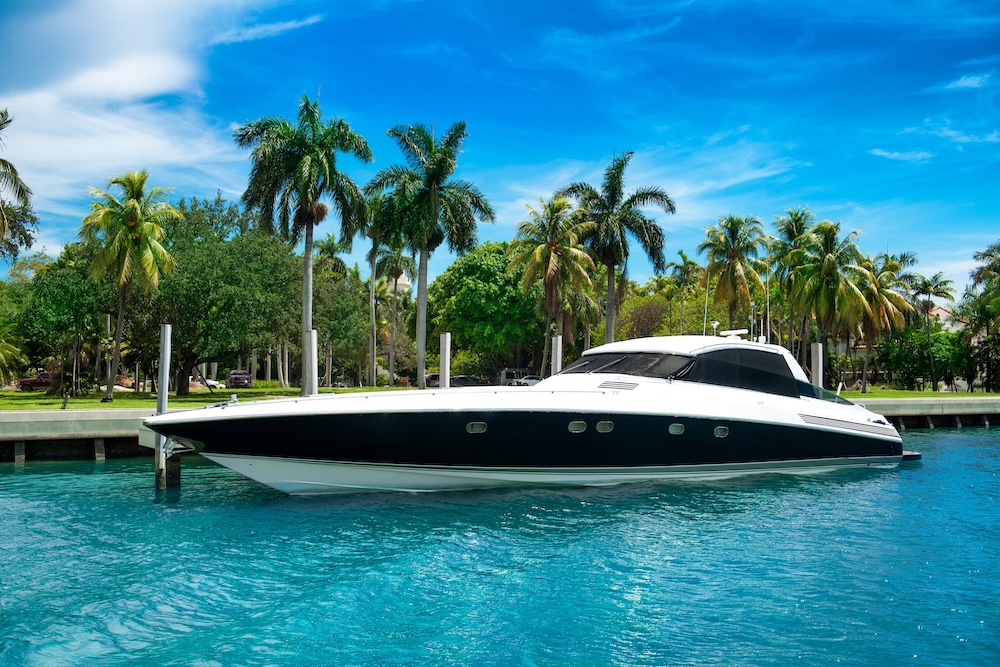
Whether sailing or motor-powered, certain coverages are non-negotiable:
Where the real distinction lies is in the depth of coverage and the often-overlooked exclusions.
Insurers usually adapt coverage to the characteristics of sailing vessels:
For instance, a Marseille-based sailing yacht owner participating in a Corsican regatta discovered after dismasting that his policy explicitly excluded official races. The claim was not covered.
Due to their complexity, motor yachts require more technical coverage:
Common claims today involve electronic system failures, engine fires, or port maneuver damages — all incidents that can lead to significant repair costs.

Many owners believe they are covered “in the Mediterranean,” without realizing that insurers often restrict coverage to very specific areas such as “Western Mediterranean” (as far as Greece or Malta) or “Eastern Mediterranean” (up to Turkey, Cyprus, Israel).
Crossing into an undeclared maritime zone can void the coverage.
At IFO Global, we frequently assist owners who wish to relocate their yachts to the Caribbean for the winter — a change of zone which, without a prior endorsement, may suspend their European policy. Thanks to our centralized management and international presence, we anticipate such transitions and prevent contractual blind spots.
Some areas require additional coverage:
An effective policy considers not only geography but also the season, the vessel’s usage, and the navigation profile.
On a motor yacht, the presence of professional crew members (captain, deckhand, chef, stewardess, engineer) changes everything. These employees must be covered by:
Failure to comply with the Maritime Labour Convention (MLC 2006) can lead to severe penalties and even vessel detention by port authorities.
At IFO Global, we integrate crew coverage into a broader framework: vessel insurance, international health plans, disability and life protection, and administrative coordination — all within a single file. This holistic approach simplifies management for yacht owners while ensuring global compliance.
Yacht crews are often composed of professionals from various nationalities: French, British, Filipino, Croatian, and others. Each jurisdiction has its own employment regulations, so it is essential to have insurance that complies both with the vessel’s flag and with international conventions.
For example, a British owner with a Malta-flagged yacht saw his claim denied after a Filipino crew member suffered an injury, as the policy was not compliant with MLC requirements.
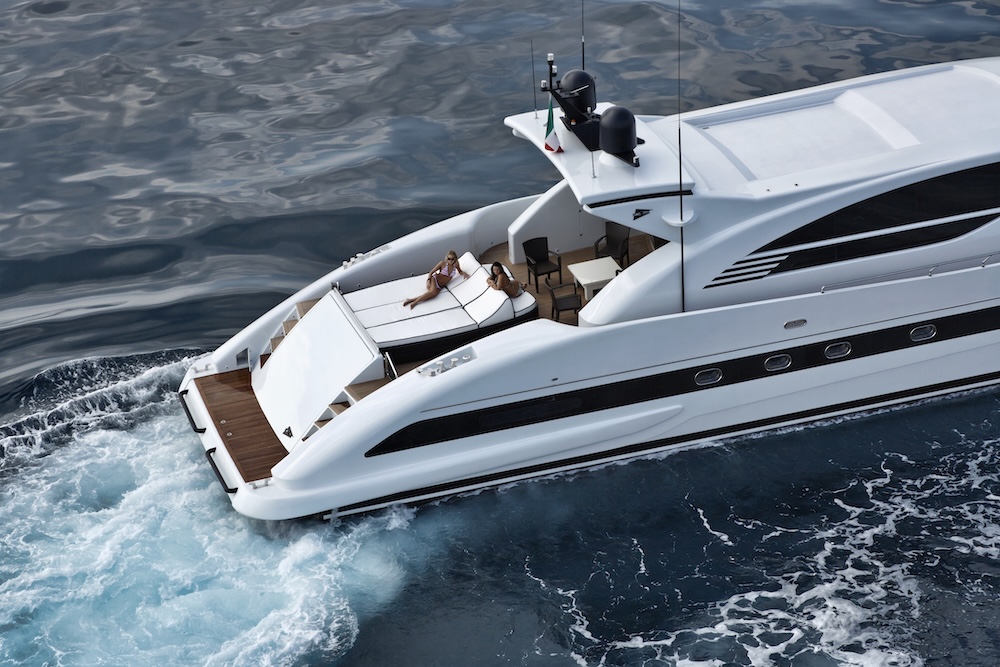
The flag (France, United Kingdom, Malta, Cayman Islands, etc.) determines the applicable jurisdiction, compliance obligations, and often the premium level.
For instance:
Thanks to our international presence, IFO Global manages fleets under multiple flags while providing a single point of contact and consistent contractual logic for the client.
An experienced broker identifies these weaknesses before they become costly.
At IFO Global, we don’t just insure a vessel — we manage a nautical asset that often forms part of a broader portfolio (residences, art, vehicles, international health).
Our role is to:
This tailor-made approach guarantees consistent protection worldwide, while simplifying risk management for yacht owners.
Insuring a sailing yacht or a motor yacht is far more than a formality; it is a strategic choice. While a sailing yacht calls for flexibility and passion, a motor yacht demands near-institutional precision. The differences in coverage, regulation, navigation zones, and crew management are substantial — and only a global vision can help avoid costly gaps.
As an international insurance family office, IFO Global assists discerning yacht owners in the comprehensive management of their maritime risks. Because a yacht, whatever its size or nature, is not merely an asset: it is a symbol of freedom. And that freedom deserves to be protected with precision and passion.