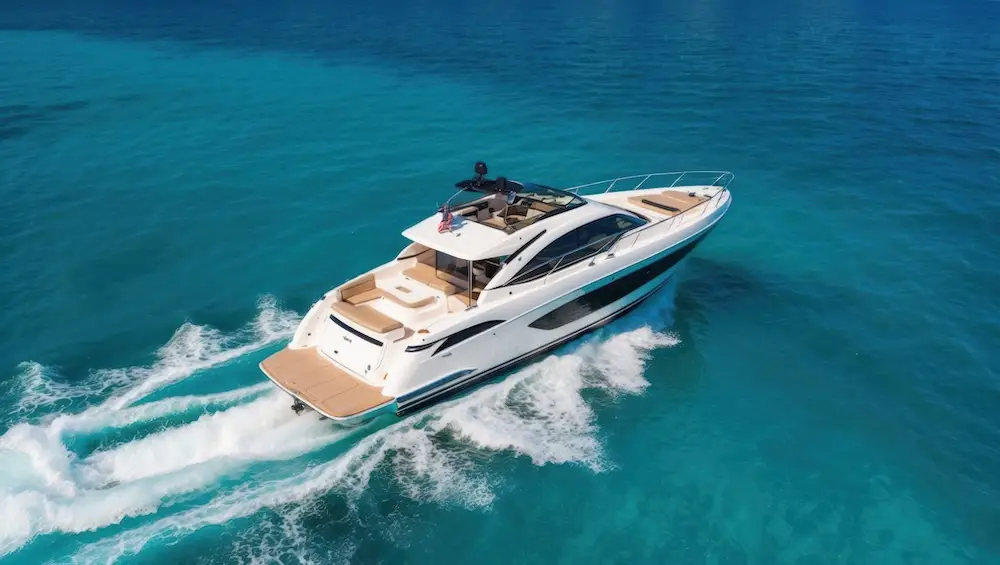
Owning a yacht with crew is far more than holding a prestigious asset. It is a complex, mobile, international structure that exposes its owner to a wide range of legal, financial, and human risks.
What happens if a crew member is injured on board in international waters? Which jurisdiction applies in the event of a dispute with a foreign seafarer? Who is liable if a guest is injured during a private voyage?
In this environment, inadequate insurance coverage does not simply result in a poorly indemnified claim. It can lead to:
The question is therefore not whether to insure, but how to structure coverage that is perfectly adapted to such a specific asset.
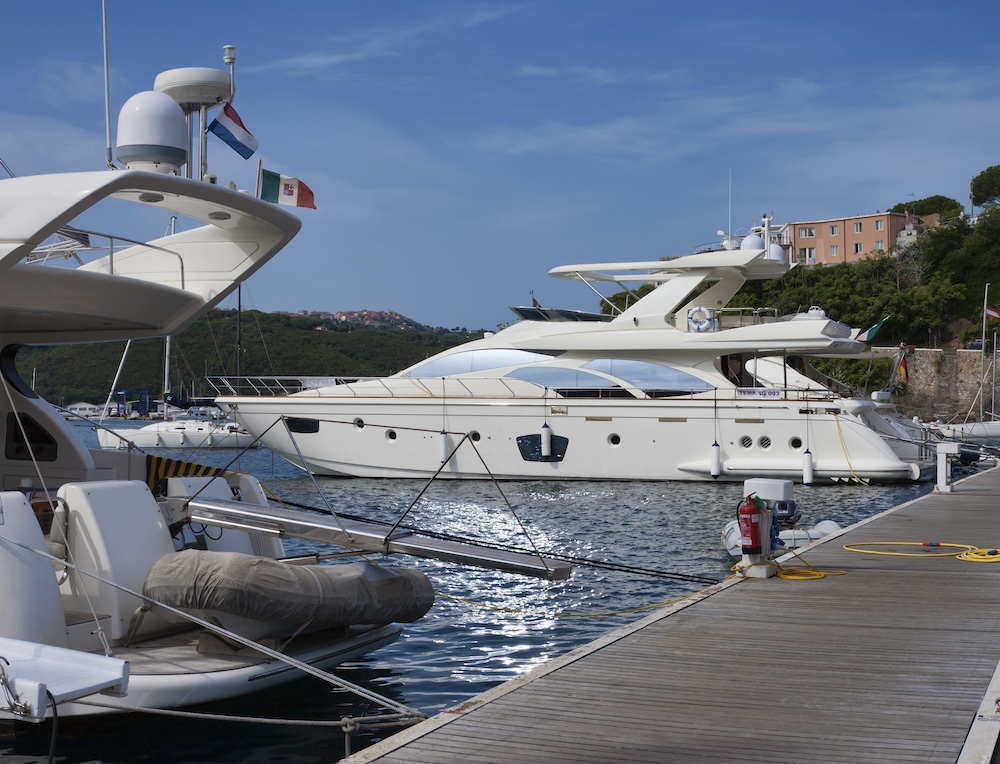
This is the fundamental and legally required coverage in most jurisdictions.
It typically covers:
In many countries and ports, this insurance is required to obtain navigation or berthing authorization.
For a yacht with crew, high-end market standards generally range from:
These figures are not arbitrary. A single incident involving multiple passengers or environmental damage can easily exceed €10 million.
As soon as a yacht employs crew, even for private use, certain legal obligations apply.
Depending on the vessel’s flag (Malta, Cayman Islands, Marshall Islands, etc.), it is generally mandatory to cover:
These obligations are often aligned with the standards of the Maritime Labour Convention 2006 (MLC 2006), which requires:
A non-compliant yacht may be:
This policy covers the yacht itself:
It is almost always required by lenders in case of financing.
The insured value must be carefully defined:
For multi-million-euro yachts, improper valuation can lead to substantial financial loss.
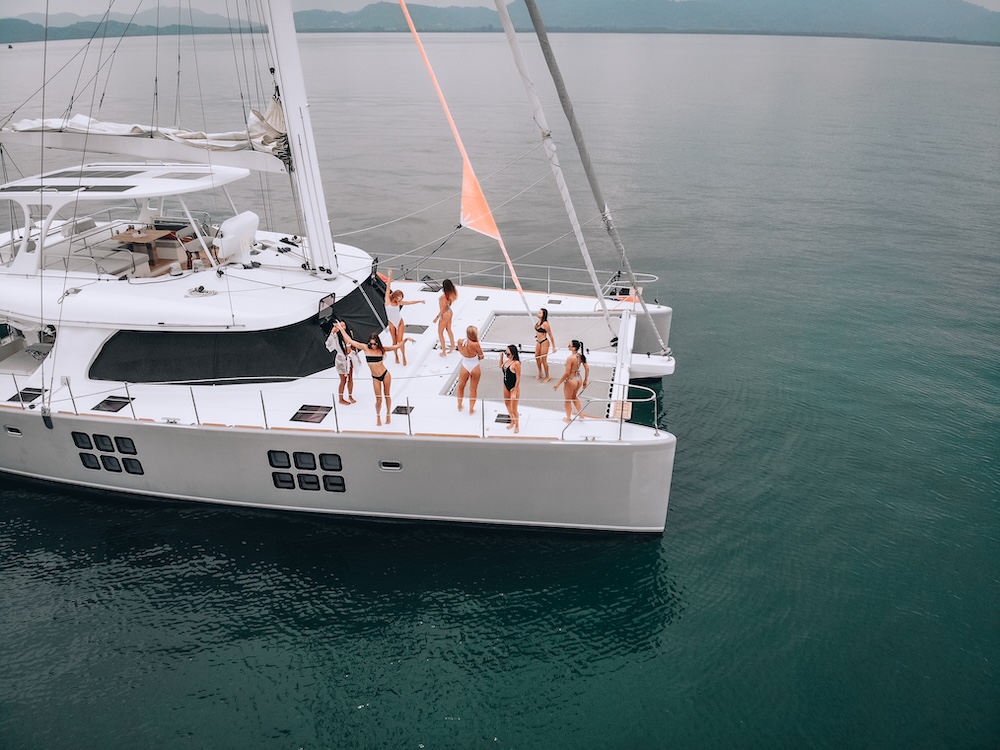
Beyond mandatory coverage, several policies are essential to properly secure all risks.
Often provided through specialized clubs, this insurance complements standard liability coverage.
It typically covers:
Standard liability insurance is often insufficient given the complexity of international maritime law.
A practical example:
An injured crew member may initiate legal action in their country of origin, the flag state, or the country of the port of call.
The financial exposure can therefore become highly unpredictable.
This covers:
In a multi-jurisdictional context, a dispute can quickly cost several hundred thousand euros, even without a final judgment.
Particularly relevant for yachts used for charter.
It compensates for:
For a yacht generating €20,000 to €100,000 per week, a few months of inactivity represent a significant loss.
Often overlooked, this covers:
These assets are generally not adequately covered under standard yacht insurance.
An international crew involves:
A conflict with a captain or chief engineer can have:
Accidents, illness, fatigue… human factors are critical.
A common scenario:
An injured crew member at sea requires:
These costs can exceed €100,000 depending on the location.
For HNWI and UHNWI clients, reputation is a strategic asset.
A dispute with crew or a publicized incident can:
A yacht operates across multiple legal frameworks:
Each combination creates overlapping regulations.
A yacht flying the Cayman Islands flag:
In such a case:
Without properly structured insurance, the risk becomes extremely difficult to control.
In such situations, the challenge lies not only in selecting insurance policies, but in structuring them coherently.
At IFO Global, we operate on three levels:
We do not think in terms of standalone products, but in terms of structure:
We work with specialized high-end marine insurers capable of:
Every yacht is unique.
Two yachts with the same value may have:
Our role is precisely to identify these nuances and build tailored coverage.
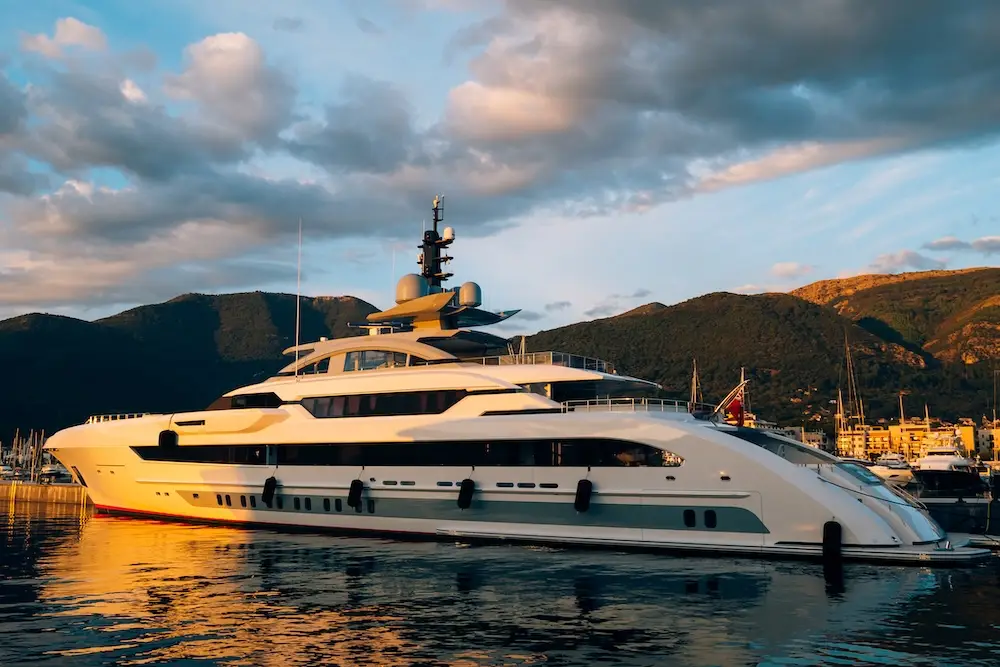
Many owners believe they are adequately covered by standard policies.
In reality:
A policy valid in one country may be inadequate elsewhere.
Coverage gaps arise when:
A yacht with crew is not a typical asset. It is a complex, international structure exposed to multiple and often underestimated risks.
Mandatory coverage provides a foundation, but it is far from sufficient to properly protect the owner.
True security lies in a global approach:
In this environment, proper advice is not a luxury, but a necessity.
At IFO Global, we support yacht owners facing these challenges with a discreet, tailored, and international approach. If you wish to assess your current level of coverage or anticipate risks specific to your situation, a personalized review often reveals meaningful areas for improvement.